Insights & Articles

Latest Articles & Blogs

Discover expert insights, tips, and strategies across all sectors of 360° digital marketing, covering SEO, PPC, social media, content marketing, analytics, and performance marketing to help businesses grow online and improve search engine rankings.

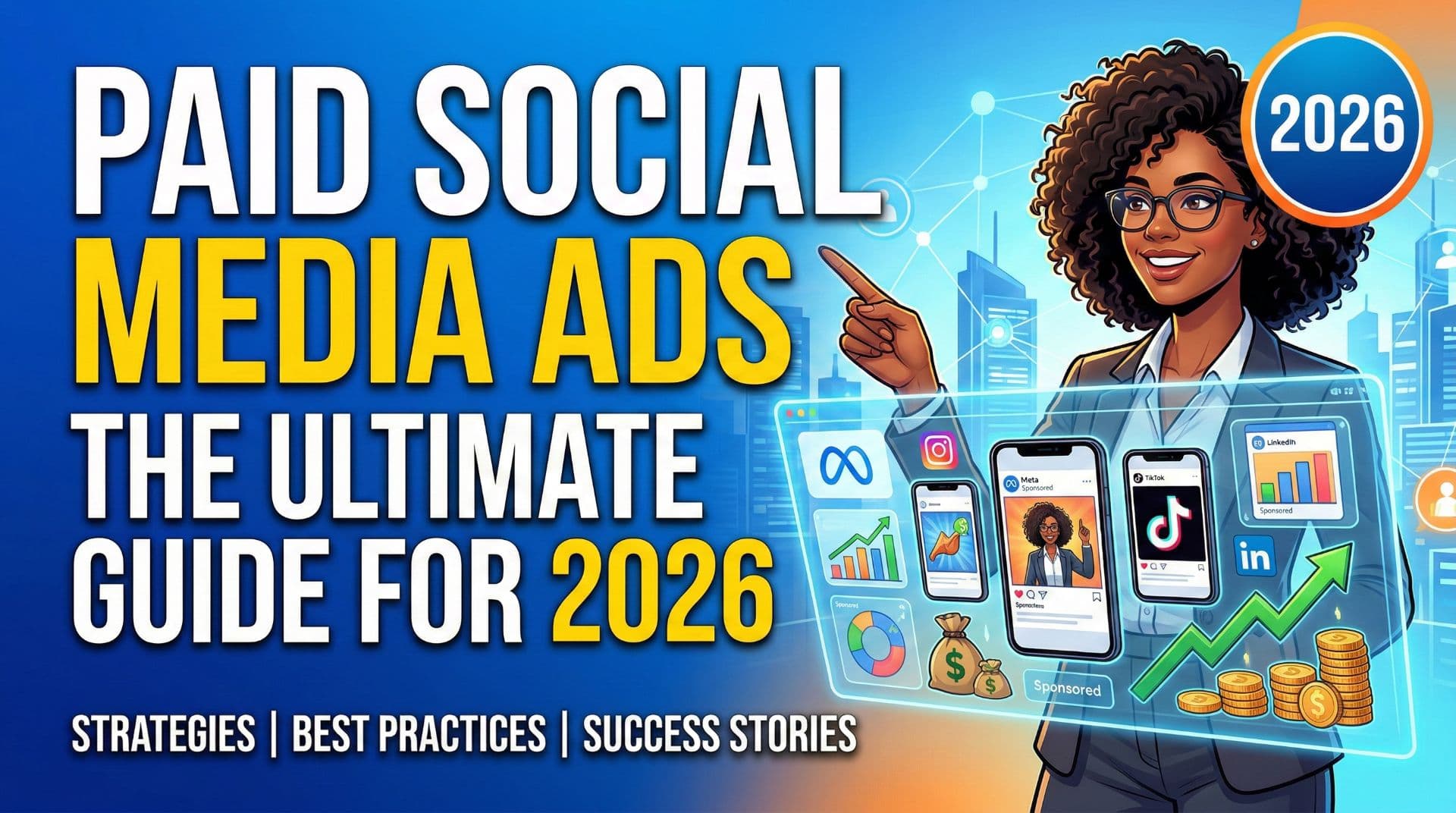
The Ultimate Guide to Paid Social Media Ads in 2026: Strategies, Best Practices, and Success Stories

The Ultimate Guide to Paid Social Media Ads in 2026: Strategies, Best Practices, and Success Stories

In the fast-paced digital landscape of 2026, paid social media advertising has become an indispensable tool for businesses aiming to cut through the noise and reach their target audiences effectively. With organic reach on platforms like Facebook, Instagram, TikTok, and LinkedIn continuing to decline due to algorithm changes, paid ads offer a direct path to visibility, engagement, and conversions. Whether you're a small business owner dipping your toes into digital marketing or a seasoned marketer optimizing large-scale campaigns, understanding paid social media ads is crucial for driving growth.This comprehensive guide will walk you through everything you need to know about paid social media advertising. We'll cover the fundamentals, key platforms, step-by-step strategy development, best practices, real-world case studies, measurement techniques, emerging trends, and common pitfalls to avoid. By the end, you'll have the knowledge to launch or refine your own campaigns for maximum ROI. Let's dive in.What Are Paid Social Media Ads and Why Do They Matter?Paid social media ads are promotional content that businesses pay to display on social platforms. Unlike organic posts, which rely on algorithms to determine visibility, paid ads use targeting options to reach specific users based on demographics, interests, behaviors, and locations. These ads can appear in various formats, including images, videos, carousels, stories, and interactive polls.The importance of paid social media ads in 2026 cannot be overstated. As social media usage surges—with over 5 billion active users globally—brands are competing for attention in an overcrowded space. Paid ads level the playing field, allowing even niche businesses to compete with giants. According to recent data, global social media ad spend is projected to reach $219 billion in 2026, accounting for nearly one-third of all digital advertising. This represents a compound annual growth rate of around 10.9% from previous years, highlighting the sector's robust expansion.Why invest? Paid ads deliver measurable results. Marketers report an average ROI of $5.2 for every $1 spent on social media advertising. They excel at driving website traffic, generating leads, boosting sales, and building brand awareness. For e-commerce brands, in particular, paid social can directly influence purchases, with short-form video ads yielding 34% higher engagement rates than other formats. In a world where consumers spend an average of 2.5 hours daily on social media, these ads meet users where they are, turning passive scrolling into active engagement.However, success isn't guaranteed. Poorly executed campaigns can drain budgets without yielding returns. That's why a strategic approach is essential—one that aligns with your business goals, audience insights, and platform-specific nuances.Key Statistics on Paid Social Media Advertising in 2025-2026To underscore the power of paid social, let's look at some eye-opening statistics from recent reports. These figures provide context for why businesses are pouring billions into this channel and what you can expect in terms of performance.Spending Trends: In the US alone, online media spend reached $395.7 billion in 2025, with social media accounting for $96.5 billion—a 16.6% year-over-year increase. Projections for 2026 estimate social ad spend will surpass $110.5 billion in the US, nearing the combined total of major offline channels like TV and direct mail. Globally, ad spend on social media is expected to hit $317.33 billion in 2026, with mobile devices claiming over 80% of that revenue.ROI and Performance: Social media marketing delivers an impressive average ROI of 5.2:1. For B2B marketers, LinkedIn leads with 85% reporting it as their highest ROI channel, followed by Facebook at 28%. Instagram tops the list for overall ROI among marketers at 22%, with Facebook close behind at 28%.Emerging Shifts: Influencer marketing spend is set to eclipse traditional social and digital ad spend in 2025, growing at 15-20% annually to reach $28 billion. Additionally, 72% of consumers discover brands via social media, making it a primary source for awareness. AI-driven tools are boosting efficiency, with businesses using them reporting an 82% increase in ROI for video marketing.Channel Allocation: Businesses allocate about 14.9% of their marketing budgets to social media. Paid social ranks as the second-highest ROI channel after website/SEO efforts. For 2026, 80% of marketing leaders plan to shift budgets toward social, with 87% expecting increased paid spend.These stats illustrate that paid social isn't just a trend—it's a cornerstone of modern marketing, offering scalable returns when done right.The Best Platforms for Paid Social Media AdvertisingChoosing the right platform is critical, as each caters to different audiences and objectives. Here's a breakdown of the top ones in 2026:Meta (Facebook and Instagram): The ROI champion, Meta boasts over 3 billion users. It's ideal for detailed targeting based on interests, behaviors, and life events. Ad formats include feed ads, stories, and reels. Costs average $0.50-$2.00 per click, with strong performance for e-commerce and lead gen. Instagram, with its visual focus, excels for younger demographics (18-34), driving higher engagement through shoppable posts.TikTok: Perfect for Gen Z and Millennials, TikTok's algorithm favors creative, short-form videos. Ads like In-Feed and TopView can go viral quickly, with robust targeting for behaviors and content preferences. In 2026, it's a go-to for brands seeking cultural relevance, with ad spend growing rapidly due to its 1.5 billion users.LinkedIn: The B2B powerhouse, LinkedIn targets professionals by job title, industry, and company size. Sponsored Content and InMail ads are effective for lead generation, though costs are higher ($5-10 per click). 85% of B2B marketers cite it for top ROI.X (formerly Twitter): Great for real-time conversations and trend-jacking. Promoted Tweets and Trends suit news-driven or event-based campaigns. With advanced operators for targeting, it's useful for niche audiences, though engagement can be volatile.Other Platforms: Pinterest for visual discovery (e.g., fashion, home decor), Snapchat for younger users with AR ads, and YouTube for video-centric campaigns integrated with Google Ads.Platform selection should align with your audience. For instance, Meta is foundational for most strategies due to its data depth and conversion tools. Use analytics to test and iterate.How to Create a Paid Social Media Advertising Strategy (Step-by-Step)Building a successful strategy requires planning. Follow these steps:Define Objectives: Start with clear goals—awareness, traffic, leads, sales, or engagement? Use SMART criteria (Specific, Measurable, Achievable, Relevant, Time-bound).Know Your Audience: Conduct research via platform insights, surveys, or tools like Google Analytics. Create buyer personas detailing demographics, pain points, and behaviors.Budget Allocation: Allocate based on goals. For 2026, agile budgeting is key—shift funds to high-performers. Average CPC varies: Facebook ($1.72), Instagram ($3.96). Start small, scale with data.Choose Ad Formats and Creatives: Match formats to objectives. Videos convert 34% better; use A/B testing for headlines, images, and CTAs.Targeting and Optimization: Leverage lookalike audiences, retargeting, and AI tools like Meta's Conversions API for accurate tracking.Launch and Monitor: Set up campaigns, track in real-time, and optimize based on metrics like CTR and CPA.Scale and Iterate: Analyze results, refine, and expand successful elements.This framework ensures campaigns are data-driven and adaptable.5 Best Practices for Paid Social Media AdvertisingTo maximize effectiveness, adhere to these proven practices:Focus on High-Quality Creatives: In 2026, AI tools help generate assets, but authenticity wins. Use user-generated content and relatable storytelling. Best creatives for paid ads emphasize value propositions clearly.Leverage AI and Automation: Tools like Google's AI Max boost conversions by 2x at lower costs. Automate bidding and targeting for efficiency.Prioritize Mobile Optimization: With 83% of social ad budgets on mobile, ensure ads are thumb-friendly and load quickly.Integrate Organic and Paid Efforts: Align messaging across channels. Use insights from organic to inform paid strategies.Compliance and Ethics: Adhere to privacy laws like GDPR and platform policies. Transparent targeting builds trust.These practices reduce waste and amplify results.Case Studies: Successful Paid Social Media CampaignsLearning from real examples is invaluable. Here are standout case studies:Heinz's Deadpool & Wolverine Tie-In: Heinz partnered with the movie for a viral social campaign, using humor and user-generated content to boost ketchup sales. It hijacked pop culture, resulting in massive engagement and sales uplift.Nike's "Just Do It" Anniversary: Celebrating 30 years, Nike used influencer partnerships and storytelling on Instagram and TikTok. The campaign inspired users, driving a 225% increase in conversions in some markets.Spotify's Wrapped: This annual feature turns user data into shareable stories, amplified via paid ads. It generated billions of impressions, with users sharing organically, boosting subscriptions by double digits.ALS Ice Bucket Challenge: Though organic at core, paid boosts extended reach, raising $115 million for ALS research through viral nominations.Dove's Detox Your Feed: Addressing body image, Dove used paid social to promote positive content, fostering brand loyalty and a 177% ROI on content marketing efforts.These cases show how creativity, timing, and audience resonance drive success.Measuring Success: ROI, Metrics, and ToolsTracking is key to optimization. Focus on:Key Metrics: CTR (click-through rate), CPA (cost per acquisition), ROAS (return on ad spend), engagement rate, and conversion rate. Aim for ROAS above 4:1.Tools: Use platform dashboards (e.g., Meta Ads Manager), Google Analytics for cross-channel insights, and third-party tools like Hootsuite or Sprout Social.Attribution Models: Move beyond last-click to multi-touch attribution for accurate ROI.In 2026, AI enhances measurement, predicting trends and automating reports.Emerging Trends in Paid Social Media Ads for 2026Looking ahead:AI Integration: From creative generation to bidding, AI will dominate, with tools like AI Max reducing costs by 31%.Short-Form Video Dominance: Platforms like TikTok and Reels will see more spend, with 41% higher ROI.Social Commerce: Direct selling via shops on Instagram and Facebook will grow, with 26% of marketers exploring it.Privacy-Focused Targeting: Post-cookie era emphasizes first-party data and contextual ads.Influencer Synergies: Blending paid ads with influencers for authentic reach.Stay agile to capitalize on these shifts.Common Pitfalls and How to Avoid ThemAvoid these mistakes:Over-Targeting: Too narrow audiences limit scale; balance precision with reach.Ignoring A/B Testing: Always test variations to refine.Neglecting Compliance: Risk account suspensions; stay updated on policies.Budget Mismanagement: Set daily limits and monitor spend.Poor Landing Pages: Ensure ads lead to optimized pages for conversions.Proactive monitoring prevents these issues.Conclusion: Launch Your Paid Social JourneyPaid social media ads in 2026 offer unparalleled opportunities for growth, but success demands strategy, creativity, and data-driven decisions. By leveraging platforms wisely, crafting compelling creatives, and measuring rigorously, you can achieve outstanding ROI. Start small, learn from case studies, and scale with confidence. The digital world is yours to conquer get advertising today.The rapid evolution of paid social media advertising continues into February 2026, with AI deeply embedded in every aspect of campaign creation and optimization, social commerce accelerating, and authenticity becoming the ultimate differentiator amid rising platform fatigue. Building on the foundational guide provided earlier, this extended section dives deeper into advanced strategies, updated 2026 statistics, platform-specific tactics, creative best practices, budgeting frameworks, retargeting mastery, compliance considerations, and forward-looking predictions. These insights draw from the latest industry reports and real-world shifts observed this year, helping marketers refine campaigns for higher efficiency and ROI in a more competitive landscape.Updated 2026 Paid Social Advertising Statistics: The Numbers Tell the StoryAs of early 2026, paid social remains one of the fastest-growing segments of digital advertising. Global social media advertising spend is projected to reach $317.33 billion this year, reflecting strong momentum from previous forecasts. In the United States alone, social media ad spend is expected to hit around $88.3 billion, contributing significantly to the overall digital surge where total U.S. ad spend grows by 9.5% year-over-year, driven largely by digital channels.Key highlights include:Social media now accounts for roughly one-third of all digital ad spending, with mobile devices dominating over 80-83% of social ad revenue.Annual growth in social ad spend is forecasted at 10.9% from 2026 through 2030, fueled by short-form video and in-app commerce features.For businesses where social media is already a major revenue driver, 60.6% report that paid ads have become more effective in 2026, compared to just 3% seeing declines.Video advertising, particularly short-form formats, represents over 55% of social ad spend, with Instagram Reels and Stories driving 35% of impressions on that platform.Influencer-integrated paid campaigns continue to grow, with the global influencer market nearing $28 billion in recent estimates, often outperforming traditional ads when authenticity is prioritized.These figures underscore a clear shift: paid social isn't just about reach anymore—it's about precision, immediacy, and seamless conversion paths within the platforms themselves.Advanced Strategies for Paid Social Success in 2026To thrive this year, marketers must move beyond basic targeting and embrace hybrid, AI-augmented approaches that blend creativity with data intelligence.Hyper-Personalization with Intent Signals In 2026, the most successful campaigns focus on intent rather than broad demographics. Platforms like Meta and TikTok now prioritize behavioral signals (e.g., recent searches, in-app actions, and purchase history) over traditional interests. Use lookalike audiences built from high-value converters, combined with dynamic creative optimization (DCO) where AI automatically tests headline, image, and CTA variations. Marketers report 2x better performance when shifting from static ads to personalized feeds that feel native.Social Commerce-First Campaigns On-platform buying has exploded, with Instagram Shops, TikTok Shop, and Facebook Marketplace seeing massive adoption. Strategies that drive direct in-app purchases outperform link-out campaigns by significant margins, especially as external linking faces penalties or reduced reach on several platforms. Build funnels that guide users from discovery (short video ads) to cart (product tags) to checkout—all without leaving the app. Brands leveraging this see lower abandonment rates and higher average order values.Creator and UGC Amplification Traditional ads struggle against algorithm preferences for authentic content. Partner with micro-creators (10k–100k followers) for paid collaborations, then boost their organic posts via paid amplification. This hybrid approach yields higher engagement and trust, with creator partnerships often delivering better ROI than scripted brand content in 2026 tests.User-Tuned and Community-First Targeting Platforms are rolling out more customizable feeds, allowing users to tune algorithms toward specific interests. Align paid campaigns with these communities (e.g., niche groups on Reddit, Threads, or LinkedIn) rather than broad demographics. The end of broad microtargeting in some regions pushes marketers toward contextual and interest-based signals, rewarding brands that build genuine community engagement first.Cross-Channel Blurring with Unified Attribution Lines between paid social, search, CTV, and e-commerce are blurring. Use centralized tracking (e.g., Meta Conversions API + Google Analytics 4) with standardized UTMs to avoid misattribution. Invest in multi-touch models that credit social for upper-funnel influence, even when conversions happen elsewhere.Platform-Specific Tactics for 2026Meta (Facebook & Instagram): Lean into Advantage+ Shopping Campaigns and AI-generated creatives. Focus on Reels for discovery and Carousel ads for product education. With user-tuned feeds expanding, test interest-category targeting to reach customized audiences.TikTok: Prioritize shoppable short-form videos and creator-led content. Use Spark Ads to boost high-performing organic posts. Intent-based targeting (e.g., users who viewed similar products) drives the best ROAS here.LinkedIn: For B2B, double down on sponsored content promoting long-form thought leadership. Video and document ads perform strongly for lead gen, especially when paired with account-based targeting.Pinterest & Emerging Platforms: Pinterest gains as a visual discovery engine for e-commerce. Reddit and Threads offer untapped niche audiences with lower competition—test community-style ads that feel conversational.Creative Best Practices That Win in 2026Creatives remain the #1 factor in ad performance. Key rules this year:Lead with value in the first 3 seconds—hook with questions, bold statements, or relatable pain points.Embrace chaos culture and unpolished, human moments over perfection; AI-generated content floods feeds, so authenticity cuts through.Test 10+ variations per campaign: mix UGC, behind-the-scenes, testimonials, and humor.Optimize for mobile vertical formats (9:16) with thumb-stopping visuals and captions that work without sound.Incorporate interactive elements like polls, quizzes, or shoppable tags to boost engagement signals.Budgeting and Scaling FrameworksAllocate budgets agilely: start with 60-70% on proven formats (video, retargeting), 20-30% on testing new creatives/platforms, and 10% on experimental (e.g., Threads or Reddit). Monitor daily and shift funds weekly to top performers. Aim for ROAS targets of 4:1+; use automated rules to pause underperformers below 2:1. In high-growth scenarios, scale by increasing budgets 20-50% on winning audiences while layering new lookalikes.Retargeting Mastery and Compliance EssentialsRetargeting warms up audiences effectively—use dynamic product ads for cart abandoners and video view retargeting for engagement. With privacy changes, rely on first-party data and server-side tracking. Stay compliant with evolving regulations (e.g., updated Meta policies on health/finance ads) and prioritize brand safety tools to avoid controversial placements.Looking Ahead: Predictions for Late 2026 and BeyondExpect deeper AI guardrails (human oversight on generative tools), the rise of pay-to-play models on more platforms, and Generation Alpha influencing family-oriented targeting. Social search will grow as users bypass Google for TikTok/Instagram discovery. Brands that invest in relationship marketing—nurturing long-term community over one-off sales—will see sustained advantages.By integrating these advanced tactics, paid social campaigns in 2026 can deliver not just clicks, but meaningful revenue growth. Test relentlessly, prioritize authenticity, and let data guide every decision. The platforms reward those who adapt fastest.

Paid Social Media Advertising-Marketing Case Study
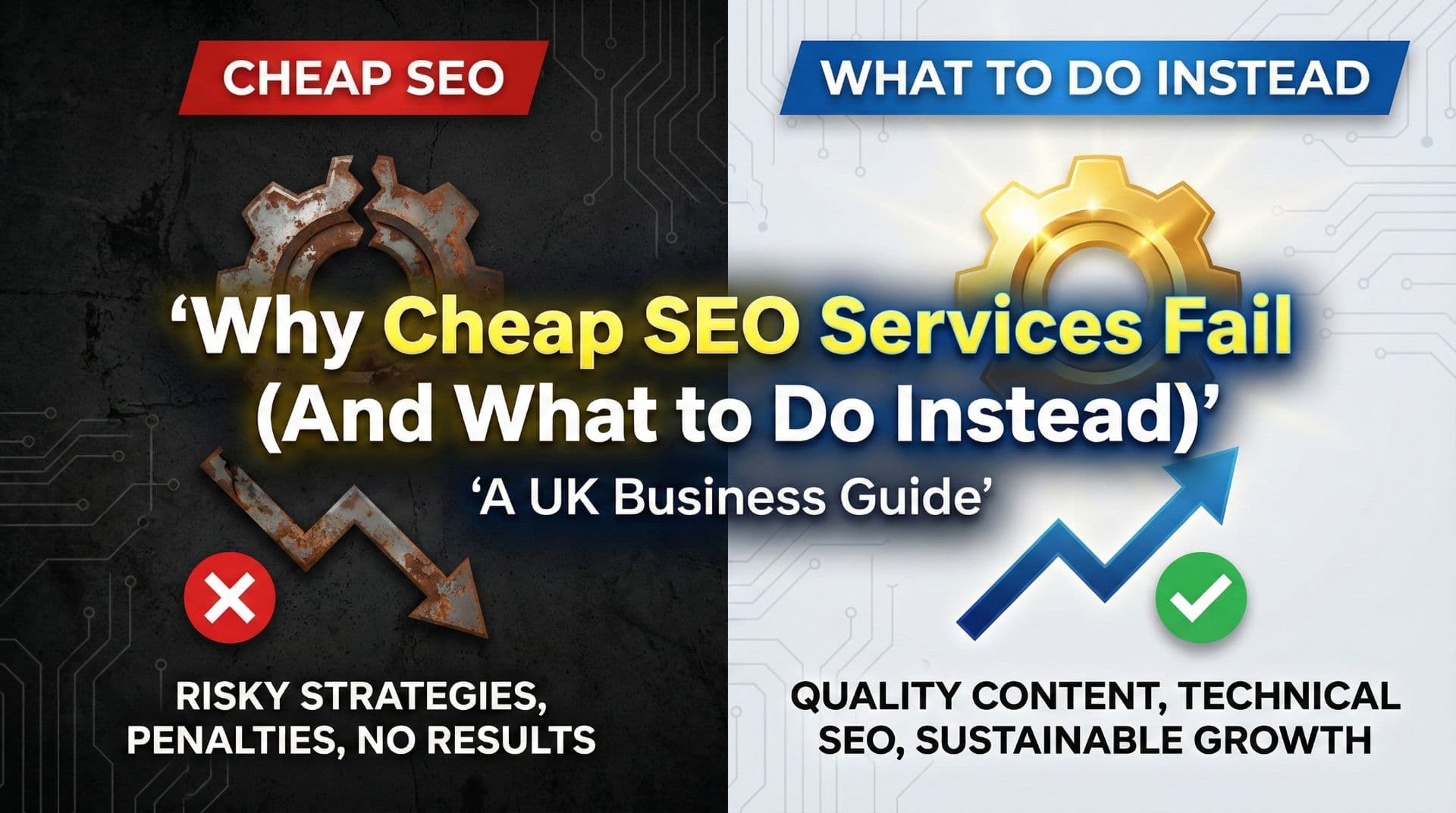
Why Cheap SEO Services Fail (And What to Do Instead)

Why Cheap SEO Services Fail (And What to Do Instead)

If you’ve ever searched for cheap SEO services UK, you’ve likely seen offers promising “Page 1 rankings for £99 a month.” For many business owners, that sounds tempting, especially when budgets are tight.But in 2026, cheap SEO services rarely work. In fact, they often do more harm than good.This guide explains why cheap SEO fails, the risks involved, and what you should do instead to grow your business safely and sustainably.What Are Cheap SEO Services?Cheap SEO services usually cost:£50–£300 per monthOffer guaranteed rankingsUse one-size-fits-all packagesFocus on quantity, not qualityThey are often marketed as “, but affordability doesn’t always mean value".Why Cheap SEO Services Fail1. They Use Outdated SEO TacticsCheap providers rely on techniques that no longer work in 2026, such as:Keyword stuffingLow-quality backlinksDuplicate contentAutomated link buildingGoogle’s algorithm easily detects these tactics and either ignores them or penalises your site.This is one of the main reasons searches like “why cheap SEO doesn’t work” are increasing.2. No Real SEO StrategyProfessional SEO starts with research and planning. Cheap SEO skips this step.Common issues:No keyword researchNo competitor analysisNo clear SEO roadmapNo alignment with business goalsWithout a strategy, results are random and unsustainable.3. Low-Quality or AI-Spun ContentContent is a core ranking factor.Cheap SEO often uses:AI-spun articlesCopied contentGeneric blog posts with no valueIn 2026, Google prioritises helpful, original content. Poor content damages both rankings and trust.4. Spammy Backlinks That Hurt RankingsBacklinks still matter, but only when they’re high quality.Cheap SEO providers often build links from:Spam directoriesIrrelevant websitesPrivate blog networks (PBNs)These links can trigger ranking drops or manual penalties.5. No Focus on Leads or ConversionsCheap SEO focuses on vanity metrics like:Low-value keyword rankingsTraffic without intentAutomated reportsBut traffic alone doesn’t grow a business.SEO should generate leads, not just impressions.6. Poor Communication and TransparencyWith cheap SEO, you often get:No clear reportingVague updatesNo access to real dataNo accountabilityThis makes it impossible to measure success.The Real Cost of Cheap SEOWhile cheap SEO may seem affordable, the hidden costs are high:Lost timeWasted budgetRanking penaltiesDamage to brand trustAdditional cost to fix issues laterIn many cases, businesses pay twice, once for cheap SEO, then again to repair the damage.What to Do Instead: Smarter SEO That WorksIf cheap SEO fails, what’s the better option?1. Invest in Value-Based SEO, Not Cheap SEOGood SEO isn’t about being expensive; it’s about delivering value.Look for affordable SEO services for small businesses that offer:Custom strategiesClear timelinesHonest expectations2. Focus on Long-Tail, High-Intent KeywordsModern SEO targets keywords that convert, such as:“best SEO services UK 2026”“local SEO services for small businesses”“professional SEO agency near me”These keywords have lower competition and higher ROI.3. Prioritise Local SEO and Google MapsFor most businesses, local SEO generates the best leads.A good SEO service will:Optimise your Google Business ProfileImprove Google Maps rankingsBuild local citationsManage online reviews4. Demand Quality Content and Trust SignalsContent should:Answer real customer questionsDemonstrate expertiseInclude case studies and testimonialsImprove conversionsThis builds long-term trust with both Google and users.5. Choose Transparent SEO ProvidersA reliable SEO service provides:Monthly reportsClear explanationsAccess to analyticsMeasurable KPIsTransparency builds trust and accountability.How Much Should SEO Cost in 2026?While prices vary, realistic SEO costs usually range between:£500–£1,500/month for small businesses£1,500–£3,000/month for growing companiesAnything far below this should be questioned carefully.How to Spot a Reliable SEO ServiceAsk these questions:What is your SEO strategy?How do you build links?How do you measure success?How long before results?Can you show case studies?Good SEO providers welcome these questions.Finally, in summary, Why Cheap SEO Services Fail?Cheap SEO fails because it focuses on shortcuts, not strategy.In 2026, SEO success requires:ExpertisePatienceQualityTrustInstead of asking How cheap can SEO be?, ask How much value can SEO deliver?The right SEO investment doesn’t just improve rankings, it grows your business.
Search Engine Optimization (SEO)
What Is SEO? A Simple Explanation for Business Owners (2026 Edition)

What Is SEO? A Simple Explanation for Business Owners (2026 Edition)

If you own a business and want more customers online, you’ve probably heard the term Search Engine Optimization (SEO). But many business owners still ask the same question: What is SEO, and how does it actually help my business? This 2026 edition guide explains SEO in simple terms for business owners, without technical jargon, so you can understand how it works and why it matters. What Is SEO? (Simple Definition) SEO stands for Search Engine Optimisation. In simple words, SEO is the process of improving your website so it appears higher on Google when people search for your products or services. For example, if someone searches: “accountant in London” “best plumber near me” “SEO services for small businesses UK” SEO helps your business show up in those results. That’s why searches like “what is SEO for business owners” and “SEO meaning for small businesses” are so popular today. Why SEO Matters for Businesses in 2026 In 2026, most buying decisions start with a search engine. SEO Helps You: Get found by people already looking to buy Build trust and credibility Generate leads without paying for ads Compete with bigger businesses Grow long-term online visibility Unlike ads, SEO keeps working even when you stop spending money. How SEO Works in 2026 (Step by Step) SEO works by helping Google understand: What your business offers Who it’s relevant for Why should you trust your website Let’s break it down. Keyword Research (Understanding What People Search For) Keywords are the words people type into Google. Examples of Business-Focused Keywords: “SEO for beginners UK” “SEO services for small businesses” “local SEO for UK businesses” “how SEO works in 2026” SEO starts by targeting keywords that: Have high search volume Have low or medium competition Show strong buying intent On-Page SEO (Optimising Your Website) On-page SEO improves the content and structure of your website. On-Page SEO Includes: Page titles and meta descriptions Headings (H1, H2, H3) Page content written for humans Internal links Mobile-friendly design This helps Google and users understand your website better. Technical SEO (Making Your Site Easy to Use) Technical SEO focuses on how your website works. Technical SEO Basics: Fast loading speed Mobile optimisation Secure website (HTTPS) Clean site structure In 2026, Google prioritises websites that offer a good user experience. Content Creation (Answering Customer Questions) Content is one of the most important parts of SEO. Good SEO Content: Answers real questions Is easy to read Shows expertise Builds trust Examples include: Service pages Blog posts FAQs Case studies This is key for SEO for business owners in 2026. Local SEO (Very Important for Small Businesses) If you serve customers locally, local SEO is essential. Local SEO Helps You: Appear on Google Maps Rank for “near me” searches Get phone calls and visits Local SEO includes: Google Business Profile optimisation Local keywords Online reviews Many small businesses get most of their leads from local SEO. How SEO Generates Leads for Businesses SEO brings people to your website who are already searching for your service. Once they land on your site, SEO helps convert them by: Clear messaging Trust signals (reviews, testimonials) Easy contact options That’s why SEO for small businesses UK is such a powerful growth tool. SEO vs Paid Advertising (Simple Comparison) | SEO | Paid Ads | | ---------------------- | ---------------------- | | Long-term results | Short-term results | | Builds trust | Lower trust | | Free traffic over time | Pay per click | | Compounds | Stops when budget ends | SEO takes longer, but delivers better results over time. How Long Does SEO Take to Work? SEO is not instant. Typical SEO Timeline: 1–2 months: setup and optimisation 3–4 months: ranking improvements 6+ months: steady leads Good SEO focuses on long-term success. Common SEO Myths Business Owners Believe [ ] “SEO is a one-time task” ❌ [ ] “SEO is only about keywords” ❌ [ ] “SEO results are instant” ❌ [ ] “SEO is too technical to understand” ❌ In reality, SEO is about consistency and quality. Is SEO Worth It for Your Business in 2026? SEO is worth it if: Customers search online for your service You want sustainable growth You prefer long-term results over short-term ads For most businesses, SEO becomes one of the highest-ROI marketing channels. In short, SEO Explained Simply for Business Owners SEO is about helping the right people find your business at the right time. By improving your website, targeting the right keywords, and building trust, SEO turns search engines into a steady source of leads and customers. If you’re a business owner, understanding SEO even at a basic level puts you in control of your online growth.
Search Engine Optimization (SEO)
What to Expect From a Professional SEO Service in 2026

What to Expect From a Professional SEO Service in 2026

SEO has changed dramatically over the years, and in 2026, businesses expect more than just rankings. A professional SEO service in the UK now focuses on measurable growth, real leads, and long-term visibility. If you’re considering hiring an SEO provider, this guide explains what to expect from a professional SEO service in 2026, so you can invest confidently and avoid common mistakes. Why SEO Services Are Different in 2026 Search engines are smarter, competition is tougher, and customers are more selective. As a result, SEO services for small businesses in the UK and larger companies alike have evolved. Modern SEO focuses on: Search intent, not keyword stuffing Trust and authority (E-E-A-T) User experience and conversions Local and mobile-first strategies Businesses searching “what to expect from an SEO agency” want clarity and that’s exactly what this guide provides. A Clear SEO Strategy (Not Guesswork) A professional SEO service always starts with a plan. What You Should Expect A detailed SEO audit Competitor analysis Keyword research focused on intent A customised SEO roadmap If an agency skips strategy and jumps straight into “optimisation,” that’s a red flag. In-Depth Keyword Research With Business Intent In 2026, keyword research is about quality over quantity. High-Value Keyword Focus Long-tail keywords Buyer-intent search terms Location-based keywords Short-to-medium keyword difficulty (KD) phrases Examples: “professional SEO services UK” “affordable SEO services for small businesses” “monthly SEO services UK 2026” These keywords drive leads, not just traffic. On-Page SEO That Improves Rankings and Conversions Professional SEO services optimise your website to both rank and convert. On-Page SEO Includes Optimised title tags and meta descriptions Clear page structure (H1–H3) Internal linking strategy Content optimisation for readability Conversion-focused page layouts Good SEO makes it easy for users to take action. Technical SEO You Can’t Ignore Technical SEO ensures search engines can crawl and rank your site properly. Technical SEO Tasks in 2026 Mobile optimisation Page speed improvements Core Web Vitals optimisation Secure website (HTTPS) Schema markup Without technical SEO, even great content may never rank. Local SEO & Google Maps Optimisation For UK businesses, local SEO services are essential. What Professional Local SEO Includes Google Business Profile optimisation Local keyword targeting Citation building across UK directories Review management strategy Google Maps ranking optimisation Searches like “SEO services for small businesses UK” often rely heavily on local visibility. Content That Builds Trust and Authority Content is still king, but only if it’s helpful. Content You Should Expect Service pages aligned with user intent FAQs addressing real customer questions Blog content targeting long-tail keywords Case studies and testimonials This supports Google’s E-E-A-T requirements and builds customer confidence. Ethical Link Building (No Risky Tactics) A professional SEO service never uses spammy links. Safe Link Building Practices Niche-relevant backlinks UK-based websites and directories Editorial and contextual links Brand mentions Quality links strengthen authority and rankings over time. Transparent Reporting & Communication You should always know what’s happening. Professional SEO Reporting Includes Keyword ranking updates Organic traffic growth Conversion tracking Clear explanations (no jargon) If reports focus only on vanity metrics, be cautious. Realistic Timelines and Honest Expectations SEO is not instant. Typical SEO Timelines in 2026 1–2 months: groundwork and optimisation 3–4 months: ranking improvements 6+ months: consistent lead growth Any provider promising “overnight rankings” should be avoided. SEO Focused on Leads and ROI Modern SEO success is measured by: Enquiries Calls Quote requests Sales Not just rankings or traffic. Common Red Flags to Watch Out For Guaranteed rankings Very cheap pricing Lack of transparency No clear strategy One-size-fits-all SEO packages Professional SEO is tailored, not generic. Who Should Invest in Professional SEO in 2026? SEO is ideal for: Small and medium UK businesses Service-based companies Local businesses eCommerce brands Growing startups If customers search for your service online, SEO matters. Simply If I Wanna mean the main idea of what to Expect From a Professional SEO Service in 2026 A professional SEO service in 2026 delivers far more than rankings. It provides strategy, visibility, trust, and consistent lead generation. By focusing on long-tail keywords, local SEO, technical optimisation, and conversion-focused content, modern SEO helps UK businesses grow sustainably. If you’re investing in SEO, make sure you know what to expect and what to demand.
Search Engine Optimization (SEO)
How SEO Generates Leads for UK Businesses in 2026

How SEO Generates Leads for UK Businesses in 2026

In 2026, UK businesses are facing higher advertising costs, increased competition, and more informed customers. As a result, many companies are turning to SEO lead generation in the UK as a sustainable way to attract high-quality leads without relying heavily on paid ads. But how does SEO actually generate leads? This guide explains how SEO generates leads for UK businesses in 2026, step by step, in a way that’s easy to understand even if you’re not an SEO expert. Why SEO Is Still One of the Best Lead Sources in 2026 Search engines remain the first place people go when they want to: Find a service Compare providers Check reviews Request quotes Searches like “SEO for small businesses UK” and “organic lead generation UK” continue to grow because SEO delivers intent-driven traffic people who are already looking to buy. Key Benefits of SEO Lead Generation Attracts ready-to-buy customers Works 24/7 Builds long-term visibility Reduces dependency on paid ads Delivers compounding results How SEO Lead Generation Works (Simple Breakdown) SEO generates leads by guiding potential customers through three stages: Visibility – Your website appears when people search Trust – Your content convinces them you’re credible Conversion – They contact you or request a quote Let’s break this down further. Targeting High-Intent Long-Tail Keywords In 2026, successful SEO focuses on long-tail keywords with strong buyer intent. Examples of High-Intent Keywords “SEO services for small businesses UK” “best [service] near me” “affordable SEO agency London” “local SEO consultant UK” These keywords may have lower search volume than broad terms, but they convert far better and have short to medium keyword difficulty (KD). Ranking for Local Searches Across the UK For most businesses, local SEO is the biggest lead driver. How Local SEO Generates Leads Google Maps visibility Local 3-Pack rankings “Near me” search results Optimising your Google Business Profile helps your business appear exactly when users are ready to contact you. High-value keyword examples: “local SEO services UK 2026” “how to rank on Google Maps UK” Creating Content That Builds Trust SEO leads convert when visitors trust your business. Content That Drives Leads Service pages with clear benefits FAQs answering customer concerns Case studies and success stories Location-based pages This type of content supports SEO lead generation for UK businesses by addressing real questions before customers even contact you. On-Page SEO That Encourages Action SEO doesn’t stop at rankings. Pages must be designed to convert. Conversion-Focused On-Page SEO Clear headlines and structure Simple language Strong calls-to-action (CTAs) Click-to-call buttons Trust signals (reviews, testimonials) Well-optimised pages turn visitors into enquiries. Google Maps & Reviews: A Lead Generation Engine In 2026, reviews play a major role in both rankings and conversions. Why Reviews Matter Improve Google Maps rankings Increase click-through rates Build instant trust UK businesses with strong reviews often generate more leads than competitors with better websites but fewer reviews. Mobile SEO Drives More Leads Than Desktop Most UK searches now happen on mobile. Mobile SEO Best Practices Fast loading speed Mobile-friendly layout Easy contact options Short forms If your site isn’t mobile-optimised, you lose leads even if you rank well. SEO vs Paid Ads: Lead Quality Comparison | Channel | Lead Quality | Cost Over Time | | ------------ | ------------ | -------------- | | SEO | High | Decreases | | Paid Ads | Medium | Increases | | Social Media | Low–Medium | Variable | SEO leads are more valuable because users actively search for your service. Measuring SEO Lead Generation Success SEO success should be measured by leads, not just traffic. Key Metrics to Track Contact form submissions Phone calls Quote requests Conversion rate Keyword rankings for buyer-intent terms Tracking the right data ensures continuous improvement. Common SEO Lead Generation Mistakes UK Businesses Make Targeting traffic instead of intent Ignoring local SEO Weak calls-to-action Slow websites Expecting instant results Avoiding these mistakes improves lead quality significantly. SEO Trends That Improve Lead Generation in 2026 AI-powered search results Voice search growth Local-first rankings Trust and authority signals Conversion-focused content Businesses that adapt to these trends gain a competitive edge. Main Idea of How SEO Generates Leads for UK Businesses in 2026 SEO works because it puts your business in front of people who are already searching for what you offer. By targeting long-tail keywords, optimising for local search, building trust through content and reviews, and focusing on conversions, SEO becomes a powerful and predictable lead generation system. For UK businesses in 2026, SEO isn’t just marketing; it’s a growth engine.
Search Engine Optimization (SEO)
Top SEO Trends in 2026 Every UK Business Must Know

Top SEO Trends in 2026 Every UK Business Must Know

Search engine optimisation is evolving faster than ever. In 2026, SEO for UK businesses is no longer just about keywords and backlinks; it’s about trust, relevance, and real user value. If your website doesn’t adapt to these changes, your rankings, traffic, and leads will suffer. This guide explains the top SEO trends in 2026 that every UK business must understand to stay visible on Google. Why SEO in the UK Is Changing in 2026 Google’s algorithm updates now focus on: User intent AI-generated search experiences Helpful content Brand authority Local relevance Searches like “SEO trends in 2026 UK” and “future of SEO for UK businesses” are increasing, showing businesses are actively preparing for change. AI-Driven Search Results Are the New Normal AI plays a major role in how Google displays results in 2026. What This Means for UK Businesses Google summarises answers directly in search results Websites must provide clear, expert-level content Content written only for keywords will not rank SEO strategy for UK businesses 2026: Create content that answers real questions clearly and accurately. Search Intent Is More Important Than Keywords Google now prioritises why users search, not just what they type. How to Optimise for Search Intent Match content type (guide, service, comparison) Use natural language Answer follow-up questions Targeting long-tail keywords with buyer intent delivers higher conversions and lower competition. Local SEO Continues to Dominate UK Search Local SEO remains one of the strongest growth areas. Why Local SEO Matters in 2026 “Near me” searches are at an all-time high Google Maps results appear before organic listings Local trust signals influence rankings High-value keyword examples: “local SEO services UK 2026” “how to rank on Google Maps UK” Businesses with optimised Google Business Profiles gain a huge advantage. E-E-A-T Is a Ranking Requirement, Not a Bonus Experience, Expertise, Authority, and Trust (E-E-A-T) now directly affect rankings. How UK Businesses Can Build Trust Signals Display real author credentials Add case studies and testimonials Publish expert-led content Maintain consistent brand information Websites lacking trust signals are losing visibility. Long-Tail Keywords Drive More Revenue Than Ever In 2026, broad keywords are harder to rank for and convert poorly. Why Long-Tail Keywords Win Lower competition (short-to-medium KD) Higher conversion rates Better alignment with search intent Examples: “SEO strategy for small businesses UK” “affordable SEO services in London” “best SEO agency for UK startups” Google Maps Optimisation Is Essential Ranking on Google Maps is no longer optional. Google Maps SEO Best Practices Fully optimised Google Business Profile Consistent NAP across UK directories Regular photo uploads Ongoing review management For many UK businesses, Google Maps drives more leads than organic SEO. Mobile & Page Experience Affect Rankings More Than Ever Most UK searches happen on mobile devices. Page Experience Factors in 2026 Fast loading speed Mobile-friendly design Easy navigation Clear calls-to-action Websites that deliver a poor user experience lose rankings quickly. Content Quality Beats Content Volume Publishing more content no longer guarantees better rankings. What Google Prefers in 2026 In-depth answers Original insights Clear structure Helpful visuals One high-quality article can outperform ten low-quality posts. Brand Searches Influence SEO Performance Google increasingly rewards recognised brands. How to Build Brand Authority Be consistent across platforms Encourage branded searches Publish thought-leadership content Build online mentions and citations Strong brands rank faster and recover quicker from algorithm updates. SEO Is Now Closely Linked With Conversions Traffic alone isn’t enough. Conversion-Focused SEO Trends Clear CTAs Trust badges and reviews Simple contact paths Lead-focused content SEO success in 2026 is measured by leads and revenue, not just rankings. Common SEO Mistakes UK Businesses Must Avoid Chasing outdated tactics Ignoring local SEO Overusing AI-generated content Focusing on traffic instead of conversions Expecting instant results Avoiding these mistakes protects long-term visibility. How UK Businesses Should Prepare for SEO in 2026 Action Checklist ✅ Audit existing content ✅ Optimise Google Business Profile ✅ Focus on long-tail keywords ✅ Improve trust signals ✅ Track conversions, not just traffic Summary of SEO Trends in 2026 for UK Businesses: SEO in 2026 is smarter, more human, and more competitive. UK businesses that focus on search intent, trust, local visibility, and conversion-driven SEO will thrive, while those relying on outdated tactics will fall behind. By adapting to these top SEO trends in 2026, your business can stay visible, competitive, and profitable in the years ahead.
Search Engine Optimization (SEO)
Best SEO Strategies for Small Businesses in London (2026 Guide)

Best SEO Strategies for Small Businesses in London (2026 Guide)

Running a small business in London is exciting, but it’s also highly competitive. In 2026, customers search online before they buy, and if your business doesn’t appear on Google, you’re invisible to them. That’s why SEO strategies for small businesses in London are no longer optional. The right SEO approach helps you attract local customers, increase website traffic, and compete with bigger brands without overspending. This guide explains the best SEO strategies for London small businesses in 2026, in a simple, practical way anyone can understand. Why SEO Matters for Small Businesses in London London has thousands of businesses offering similar services. SEO helps Google understand why your business deserves to rank above competitors. Benefits of SEO for London Small Businesses More local website traffic Higher-quality leads Better Google Maps visibility Lower marketing costs over time Long-term growth Searches like “small business SEO London guide” and “affordable SEO services London” continue to grow in 2026, showing strong demand. How SEO Works in London in 2026 Google’s algorithm in 2026 focuses on: Search intent Local relevance Content quality Trust and authority (E-E-A-T) User experience Small businesses can rank well by targeting local, long-tail keywords rather than competing with national brands. Focus on Local SEO in London Local SEO is the most powerful strategy for London-based small businesses. Key Local SEO Actions Optimise Google Business Profile Use location-based keywords Get local reviews Build London-specific citations Long-tail keyword example: “local SEO services for small businesses in London” Optimise Your Google Business Profile Your Google Business Profile optimisation in London directly affects Google Maps rankings. Best Practices for 2026 Use your exact business name Select the correct primary category Add services and service areas Upload real photos weekly Post updates regularly Businesses with optimised profiles often rank in the Local 3-Pack faster. Target Long-Tail Keywords with Local Intent Small businesses should avoid broad keywords and focus on specific search terms. High-Intent Keyword Examples “SEO consultant for small business London” “best digital marketing agency in East London” “affordable SEO expert London” “local SEO London 2026” These keywords have lower competition and higher conversion rates. Create Location-Specific Service Pages If you serve multiple London areas, create dedicated pages such as: “Plumber in Camden” “SEO Services in Croydon” “Electrician in Hackney” Each Page Should Include: Unique content (no duplicates) Local landmarks Customer testimonials Embedded Google Map This is essential for local SEO in London 2026. Publish Helpful, Local Content Content marketing still plays a huge role in SEO. Content Ideas for London Businesses “Best areas in London to [service]” “Cost of [service] in London (2026)” “How to choose a [service] in London” Helpful content builds trust and improves rankings. Improve On-Page SEO for Small Business Websites On-page SEO helps Google understand your pages. On-Page SEO Checklist Optimised title tags and meta descriptions Internal linking between services Fast mobile loading speed Clear headings (H1–H3) Schema markup for local businesses This improves visibility for small business SEO London keywords. Get More Reviews from London Customers Online reviews influence both rankings and buying decisions. Review Strategy Tips Ask customers after service completion Respond to all reviews Include keywords naturally in replies Never use fake reviews Even small businesses can outrank larger competitors with better reviews. Build Local Backlinks in London Local backlinks increase trust and authority. Easy London Link Opportunities Local blogs Business directories Community websites Sponsorships Local news features Backlinks from London-based sites help with SEO strategies for London small businesses. Make Your Website Mobile-Friendly In London, most local searches happen on mobile devices. Mobile SEO Essentials Responsive design Click-to-call buttons Fast loading speed Simple navigation Mobile optimisation is now a ranking requirement. Track SEO Performance and Adjust SEO is not a one-time task. Tools Small Businesses Can Use Google Search Console Google Analytics Google Business Profile Insights Track traffic, rankings, and conversions monthly. Common SEO Mistakes London Small Businesses Should Avoid Targeting keywords that are too competitive Ignoring Google Maps optimisation Duplicate location pages Inconsistent business information Expecting instant results Avoiding these mistakes saves time and money. SEO Trends for London Small Businesses in 2026 AI-powered search results Voice search growth Hyper-local targeting Trust-based ranking signals Visual and video content Businesses that adapt early gain a clear advantage. SEO Success for Small Businesses in London, United Kingdom. Remember this: SEO doesn’t require a huge budget, just the right strategy. By focusing on local SEO in London, targeting long-tail keywords, optimising your Google Business Profile, and building trust, small businesses can compete and win in 2026. If you want consistent leads, stronger visibility, and long-term growth, these SEO strategies for small businesses in London will set you up for success.
Search Engine Optimization (SEO)
Local SEO in 2026: How UK Businesses Can Rank on Google Maps

Local SEO in 2026: How UK Businesses Can Rank on Google Maps

Local search has changed dramatically, and in 2026, Local SEO in the UK is more competitive and more rewarding than ever. When people search “near me” or “best service in my area” , Google Maps is often the first thing they see. If your business isn’t showing up there, you’re missing out on high-intent customers ready to buy. This guide explains how UK businesses can rank on Google Maps in 2026, using proven, easy-to-understand strategies that actually work today. What Is Local SEO in 2026? Local SEO is the process of optimising your online presence so your business appears in local search results, especially on Google Maps and the Local Pack. In 2026, Google focuses heavily on: Search intent Real-world trust signals Proximity and relevance Business reputation That’s why searches like “local SEO UK 2026” and “Google Maps ranking for small businesses” have surged in popularity. Why Google Maps Rankings Matter More Than Ever When users search for: “plumber near me” “best café in Manchester” “local SEO agency UK” Google shows Map results first before organic listings. Benefits of Ranking on Google Maps Higher click-through rates More phone calls Increased foot traffic Stronger local brand trust For small and medium UK businesses, Google Maps SEO delivers faster results than traditional SEO. How Google Maps Ranking Works in 2026 Google uses three core factors to rank local businesses: Relevance How well your business matches the search query. Distance How close your business is to the searcher. Prominence How well-known and trusted your business is online. Understanding these factors is key to mastering how to rank on Google Maps UK. Step-by-Step Guide to Rank on Google Maps in the UK Optimise Your Google Business Profile (GBP) Your Google Business Profile optimisation in the UK is the foundation of local SEO. Best Practices for 2026: Use your real business name (no keywords) Choose the most accurate primary category Add secondary categories carefully Write a keyword-optimised business description Add services and products Upload real photos weekly Long-tail keyword example: “Google Business Profile optimisation for UK small businesses” Use UK-Focused Local Keywords Keyword research is still essential, but it must be local. Examples of High-Intent Local Keywords: “local SEO services UK” “best [service] in [city]” “near me” + service “Google Maps SEO UK” Use these keywords in: [ ] GBP description [ ] Service pages [ ] Blog content [ ] Image alt text Get More Google Reviews (The Right Way) Reviews are one of the strongest Google Maps ranking factors in 2026. Review Best Practices: Ask customers politely after service Respond to every review Use keywords naturally in replies Never buy fake reviews Even a small business with consistent reviews can outrank larger competitors. Build Local Citations Across the UK A local citation is any online mention of your business name, address, and phone number (NAP). Important UK Citation Sources: Yell Thomson Local FreeIndex Yelp UK Scoot Local chamber of commerce sites Consistency is critical. Inconsistent NAP details hurt your local SEO ranking UK. Create Location-Specific Pages If you serve multiple areas, create dedicated pages like: “Plumber in Birmingham” “SEO Services in Leeds” “Electrician in Bristol” Each page should include: Unique content Local landmarks Embedded Google Map Testimonials from local customers This strategy is powerful for local SEO for service-based businesses UK. Improve On-Page SEO for Local Signals Your website still plays a major role in Google Maps SEO. On-Page Local SEO Tips: Add schema markup (LocalBusiness) Optimise title tags with city names Include NAP in footer Improve mobile speed Use internal links between location pages Build Local Backlinks in the UK Backlinks from UK-based websites boost local prominence. Easy Local Link Ideas: Local newspapers UK blogs Sponsoring community events Business partnerships Local directories with editorial links Quality beats quantity in 2026. Common Local SEO Mistakes UK Businesses Make Keyword stuffing business names Ignoring negative reviews Using virtual offices Duplicate Google Business Profiles No local content strategy Avoiding these mistakes alone can improve your Google Maps ranking in the UK. Local SEO Trends in the UK for 2026 Here’s what’s shaping local SEO now: AI-generated search summaries Voice search growth Hyper-local results Trust-based ranking signals Real business verification Businesses that adapt early gain a major advantage. Who Benefits Most from Local SEO? Local SEO is ideal for: Tradespeople Restaurants & cafés Clinics & dentists Solicitors Estate agents Local service businesses If customers visit or call you locally, Local SEO in 2026 is essential. Ranking on Google Maps in 2026 isn’t about tricks. It’s about trust, relevance, and consistency. By optimising your Google Business Profile, collecting real reviews, using UK-specific keywords, and building local authority, your business can dominate local search results. If you want faster leads, stronger visibility, and long-term growth, Local SEO is one of the smartest investments a UK business can make in 2026.
Search Engine Optimization (SEO)
Is SEO Still Worth It in 2026 for UK Businesses? | Expert Guide

Is SEO Still Worth It in 2026 for UK Businesses? | Expert Guide

Yes, SEO remains very much worth it in 2026 for UK businesses, but the game has changed significantly. It's no longer just about chasing top rankings on Google for broad keywords; it's evolved into a more strategic, long-term investment focused on authority, trust, quality content, and visibility across both traditional search and AI-powered answer engines (like Google AI Overviews, ChatGPT, and others). While AI has disrupted traditional organic traffic growth (with reports showing an ~86% slowdown in UK organic traffic growth post-AI Overviews rollout and CTR drops of 34–61% when AI summaries appear), SEO still delivers strong ROI for most businesses especially when done right. Organic traffic remains a major channel (around 47–53% of website visits across studies), and high-quality SEO often outperforms paid ads in cost-efficiency over time. Key Reasons SEO Is Still Worth It for UK Businesses in 2026 Cost-effective long-term traffic — Unlike paid ads (e.g., Google Ads), good SEO compounds value. For e-commerce examples, organic visibility can equate to thousands in equivalent paid traffic value monthly. UK market strength — The UK SEO industry is valued at around £22.3 billion, with 60% of businesses actively using SEO and 45% planning to increase investment. Higher conversion potential — Traffic from AI citations or optimised sources often converts 3x higher than traditional organic in some cases. Local & brand dominance — For SMEs and local services (common in the UK), local SEO (Google Business Profile, reviews, proximity signals) remains hugely effective for driving foot traffic and leads. "Near me" and conversational queries dominate. AI actually amplifies strong SEO — Businesses with solid E-E-A-T (Experience, Expertise, Authoritativeness, Trustworthiness), structured content, and real authority get cited in AI responses, boosting visibility and clicks (some studies show +35% organic uplift when cited). Major Challenges & Shifts in 2026 AI Overviews (formerly SGE) now appear frequently (up ~537% YoY in UK desktop searches), leading to more "zero-click" searches where users get answers without visiting sites. Organic growth has slowed dramatically in many sectors, and broad- Head term traffic is harder to capture. Cheap tactics (e.g., thin content, link spam) no longer work: Google prioritises helpful, user-first content. Who Benefits Most from SEO Investment in 2026? Local/service-based businesses (e.g., plumbers, hairdressers, restaurants in London/Manchester/Birmingham) — Local SEO + strong GBP optimisation wins. B2B & niche industries (SaaS, biotech, finance) — Authority-building content drives qualified leads. E-commerce & brands with clear positioning — Long-tail, question-based content + YouTube/ multi-platform visibility. Businesses willing to play the long game — Results take 3–12+ months, but pay off sustainably. If your business needs quick wins or has no search demand, paid channels might suit better short-term. But for sustainable, owned visibility and lower acquisition costs? SEO is still one of the smartest bets. Actionable Expert Tips for UK Businesses in 2026 Prioritise E-E-A-T & brand signals — Showcase real expertise, get mentioned in trusted sources, build branded searches. Optimise for AI/answer engines (AEO/GEO) — Use clear, structured content (schemas, FAQs), answer questions directly and authoritatively. Nail technical + local foundations — Fast site, mobile-first, accurate GBP, genuine reviews, consistent NAP. Focus on conversational/long-tail queries — Target natural language (voice search, "best plumber near me open now"). Diversify visibility — YouTube, forums, Reddit — AI pulls from everywhere. Measure smarter — Track conversions, not just rankings; use GA4 for traffic quality. In short: SEO isn't dead. It's matured. UK businesses that adapt to AI realities while doubling down on genuine value and authority will thrive. If you're strategic about it, yes — it's absolutely still worth it in 2026.
Search Engine Optimization (SEO)
How Much Does SEO Cost in the UK in 2026

How Much Does SEO Cost in the UK in 2026

Why SEO Costs Matter in 2026? The SEO cost in the UK has become a hot topic in 2026, and for good reason. With digital competition fiercer than ever, businesses are no longer asking if they should invest in SEO, but how much they should realistically budget. Simply put, SEO is no longer optional, it’s mission-critical. In today’s UK market, search engines drive the majority of online experiences. Whether you’re a local tradesperson in Leeds or a national e-commerce brand in London, your visibility on Google directly affects revenue. However, SEO pricing can feel confusing, even opaque. Agencies quote wildly different figures, freelancers promise bargains, and horror stories about “cheap SEO” abound. This guide cuts through the noise. Drawing on industry benchmarks, agency practices, and real-world performance data, we’ll explain exactly how much SEO costs in the UK in 2026, what influences those costs, and how to get value for money. Along the way, we’ll apply real expertise, transparent analysis, and practical advice, so you can invest with confidence. Understanding SEO: What Are You Really Paying For? Before evaluating SEO cost in the UK, it’s vital to understand what SEO actually includes. SEO isn’t a single task; it’s a system of ongoing improvements that work together. On-Page SEO Explained On-page SEO focuses on optimising the content and structure of your website. This includes keyword research, meta tags, internal linking, content optimisation, and user experience signals. In 2026, Google’s algorithms are deeply focused on intent and helpful content, meaning shallow optimisation simply won’t cut it anymore. You’re paying for professionals who understand how users search, how Google interprets relevance, and how to align the two. That expertise directly affects the SEO cost in the UK. Technical SEO Components Technical SEO ensures your site can be crawled, indexed, and ranked efficiently. This covers page speed, mobile usability, Core Web Vitals, structured data, and security. UK businesses often underestimate this area, yet technical issues can cripple rankings. Fixing these problems requires advanced tools and experienced specialists. That’s why technical SEO represents a significant portion of professional SEO pricing. Content & Authority Building Content creation and link building remain at the heart of SEO. In 2026, it’s no longer about volume; it’s about credibility. Google prioritises E-E-A-T (Experience, Expertise, Authoritativeness, Trustworthiness), so backlinks and content must come from reputable, relevant sources. High-quality digital PR, expert-written content, and ethical outreach all increase the SEO cost in the UK, but they also deliver sustainable growth. Average SEO Cost in the UK: 2026 Pricing Benchmarks Let’s talk numbers. While pricing varies, there are clear patterns in the UK market. Monthly Retainers Most UK businesses opt for monthly SEO retainers. In 2026, typical costs look like this: Business Type Monthly SEO Cost Small local business: £500 – £1,200 SME / regional brand: £1,200 – £3,000 National / enterprise: £3,000 – £10,000+ These retainers usually include ongoing optimisation, reporting, content, and link acquisition. For competitive industries, higher budgets are the norm. One-Off SEO Projects Some companies prefer project-based SEO. Common examples include site audits or migrations. SEO audit: £800 – £3,000 Website migration SEO: £2,000 – £8,000 Content optimisation project: £1,000 – £5,000 While cheaper upfront, projects lack the compounding benefits of long-term SEO. Hourly SEO Consulting Hourly rates in the UK range from £75 to £200 per hour, depending on expertise. This option suits businesses with in-house teams that need expert guidance rather than execution. Key Factors That Influence SEO Cost in the UK SEO pricing isn’t arbitrary. Several clear factors shape the final cost. Business Size and Goals A local café targeting one postcode won’t pay the same as a SaaS company targeting the entire UK. Larger goals require more content, links, and technical investment, increasing overall SEO cost in the UK. Industry Competition Highly competitive niches, such as finance, legal, and property, are expensive because everyone is investing heavily. Ranking in these sectors requires sustained effort and premium resources. Geographic Targeting Local SEO is cheaper than national SEO. International campaigns cost even more due to multilingual content, hreflang setup, and global link building. SEO Pricing Models Used by UK Agencies UK agencies generally use four models: Monthly retainers Fixed-price projects Hourly consulting Performance-based SEO (rare and risky) Retainers dominate because SEO is ongoing by nature. Be wary of agencies guaranteeing rankings. Google explicitly warns against this practice (see Google Search Central guidelines: https://developers.google.com/search/docs/fundamentals/seo-starter-guide ). Cheap vs Premium SEO: What’s the Real Difference? Cheap SEO (£200–£300 per month) often relies on automation, low-quality links, and generic content. It may deliver short-term gains, but penalties are common. Premium SEO costs more because it involves real people, real expertise, and real strategy. In the long run, premium services usually cost less due to better ROI and lower risk. SEO ROI in 2026: Is It Worth the Investment? When done properly, SEO delivers one of the highest ROIs in digital marketing. Unlike paid ads, organic traffic compounds over time. A page ranking today can generate leads for years. For most UK businesses, breaking even takes 6–9 months. After that, SEO becomes a growth engine. That’s why understanding the true SEO cost in the UK matters; it’s an investment, not an expense. Choosing the Right SEO Agency in the UK Look for transparency, proven case studies, and realistic timelines. Ask how success is measured, what tools are used, and who actually works on your account. Avoid buzzwords. Clarity beats cleverness every time. Common SEO Mistakes That Waste Money Chasing cheap providers Ignoring technical SEO Expecting instant results Failing to align SEO with business goals Avoid these pitfalls and your SEO spend will work harder. The SEO cost in the UK in 2026 reflects a maturing, more sophisticated digital landscape. While prices have increased, so has the value. Businesses that invest wisely in ethical, high-quality SEO enjoy sustained growth, stronger brands, and lower long-term acquisition costs. In short, SEO isn’t cheap, but done right, it’s priceless.
Search Engine Optimization (SEO)
SEO Agency vs Freelancer: Which Is Better in 2026?

SEO Agency vs Freelancer: Which Is Better in 2026?

Choosing between an SEO agency vs freelancer is one of the most important digital marketing decisions businesses face in 2026. With search engines evolving, AI reshaping results, and competition growing daily, the right SEO support can make or break your online growth. So, should you hire an SEO freelancer or an agency? The answer depends on your goals, budget, and growth stage. This guide breaks it all down in simple terms so you can make a confident decision. What Is an SEO Agency? An SEO agency is a company with a team of specialists who manage search engine optimisation for multiple clients. These teams usually include: SEO strategists Content writers Technical SEO experts Link-building specialists Account managers Key Benefits of Hiring an SEO Agency in 2026 Full-service SEO management Access to premium SEO tools Scalable strategies for growth Strong processes and reporting Agencies are often the best choice for businesses targeting competitive keywords or multiple locations. What Is an SEO Freelancer? An SEO freelancer is an individual expert who offers SEO services independently. Many freelancers specialise in one or two areas, such as local SEO, technical SEO, or content optimisation. Key Benefits of Hiring an SEO Freelancer Lower cost than agencies Direct communication with the expert Flexible and personalised service Ideal for small businesses and startups This option is popular for those searching for “SEO freelancer for small business 2026” or “affordable SEO services UK”. SEO Agency vs Freelancer: Core Differences Explained | Factor | SEO Agency | SEO Freelancer | | ------------- | -------------------------- | --------------------------- | | Cost | Higher monthly fees | More budget-friendly | | Expertise | Team of specialists | One main expert | | Scalability | Excellent for growth | Limited capacity | | Communication | Via account manager | Direct contact | | Speed | Structured but slower | Faster execution | | Best for | Medium to large businesses | Startups & local businesses | Cost Comparison: SEO Agency vs Freelancer in 2026 Average SEO Agency Costs £1,000 – £5,000+ per month Long-term contracts common Average SEO Freelancer Costs £300 – £1,500 per month Flexible or project-based pricing If you’re searching “hire SEO freelancer or agency on a budget”, freelancers usually win on price, but not always on scope. Which Is Better for Small Businesses? For small businesses, freelancers often provide the best value. Best option: 👉 SEO freelancer for local SEO 👉 SEO freelancer for startups 👉 SEO freelancer for service-based businesses They focus on essentials like: Google Business Profile optimisation Local keywords On-page SEO Basic link building Which Is Better for Growing or Enterprise Businesses? If your business is scaling fast or competing nationally, an agency usually performs better. Best option: 👉 SEO agency for eCommerce websites 👉 SEO agency for competitive industries 👉 SEO agency for national SEO campaigns Agencies handle: Large content strategies Technical SEO at scale Digital PR & authority links Advanced analytics SEO Trends in 2026 That Affect This Choice In 2026, SEO success depends on: AI-driven search results Helpful content updates E-E-A-T (Experience, Expertise, Authority, Trust) Brand authority over keyword stuffing Agencies are better equipped for complex SEO strategies, while freelancers excel in focused, niche SEO execution. Pros and Cons Summary SEO Agency Pros Wide expertise Long-term strategy Strong reporting SEO Agency Cons Higher cost Less personal attention SEO Freelancer Pros Affordable SEO services Personalised support Faster communication SEO Freelancer Cons Limited bandwidth Risk if the freelancer disappears How to Choose the Right SEO Option in 2026 Ask yourself: What is my monthly SEO budget? Do I need local or national SEO? How competitive is my industry? Do I need fast execution or long-term scaling? Quick Recommendation Low budget + local goals → SEO Freelancer High competition + growth goals → SEO Agency SEO Agency vs Freelancer, Which Is Better? In 2026: SEO freelancers are best for startups, small businesses, and local SEO. SEO agencies are better for scaling brands, eCommerce, and competitive markets. The “better” choice is the one that aligns with your business goals, not just your budget.
Search Engine Optimization (SEO)

Ready to Growth Your Brand

Struggling to turn website traffic into real sales? I help businesses with result-driven digital marketing services, including SEO, PPC, Paid Social Media Advertising and performance marketing, to increase leads, boost conversions, sales, and deliver measurable ROI and reports. Let’s build a strategy that helps you dominate your market and achieve real, measurable results. Book a meeting or message me on WhatsApp to start growing today.